
Why Your Fridge Smells Bad (6 Common Causes + Easy Fixes)
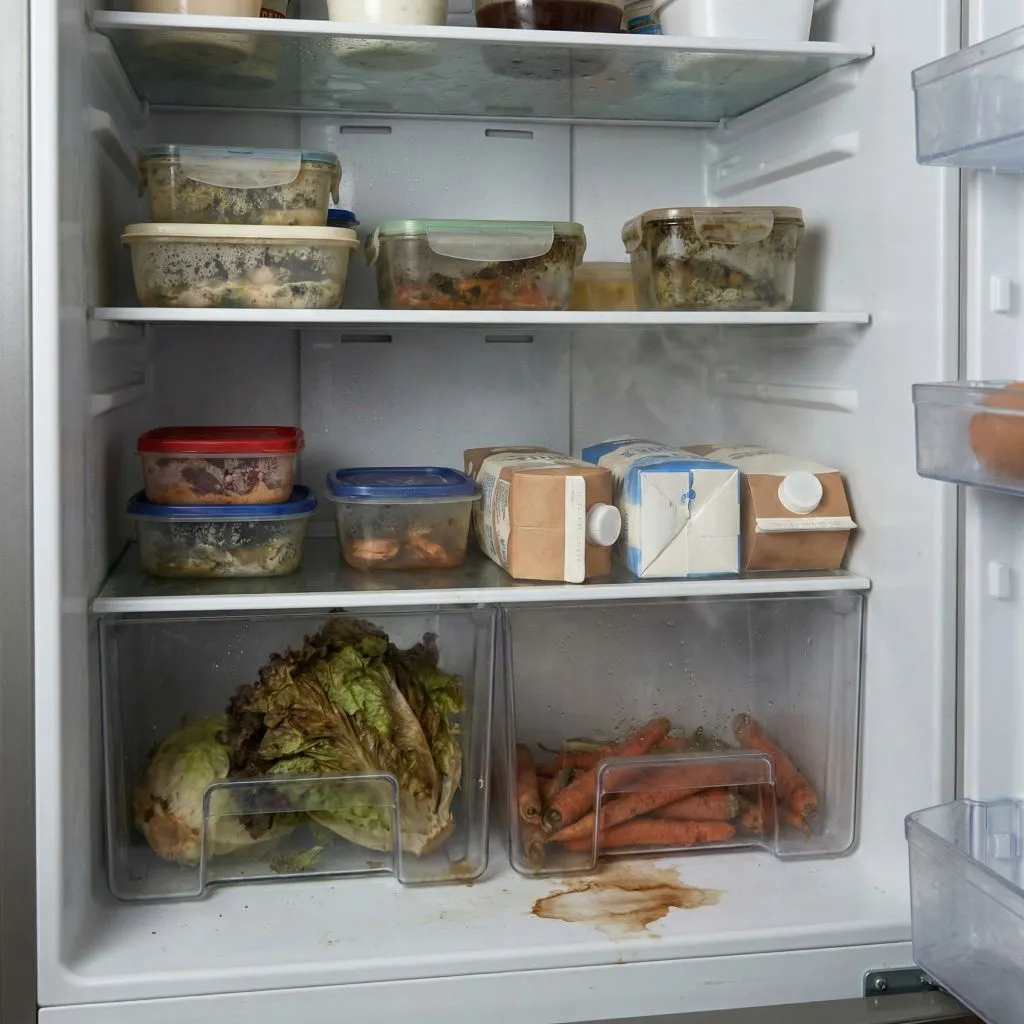
Table of Contents
Introduction
If your fridge smells bad, you are definitely not alone. Few household problems are as unpleasant, embarrassing, or frustrating as opening your refrigerator and being hit with a mysterious wave of foul odor.
One day everything seems fine. The next day, your kitchen smells like spoiled leftovers, sour milk, rotten vegetables, or something you can’t even identify. And the worst part? Sometimes a fridge smells bad even when it looks perfectly clean.
The truth is, refrigerator odors are extremely common. Food spills, hidden mold, clogged drains, and even appliance parts can create smells that spread fast.
The good news is this: a fridge smells bad for very specific reasons, and most of them are easy to fix once you know what to look for.
In this complete guide, we’ll break down Why Your Fridge Smells Bad (6 Common Causes + Easy Fixes), show you exactly how to eliminate odors quickly, and share prevention strategies so your fridge stays fresh long-term.
Whether you’re dealing with a mild musty smell or a powerful rotten stench, this post will give you clear, step-by-step solutions that work.
Let’s get your refrigerator smelling clean again.
Why Does My Fridge Smell Bad? (Quick Answer)
A fridge smells bad most often because of:
Spoiled or forgotten food
Hidden spills under drawers
Mold and mildew buildup
A clogged drain line
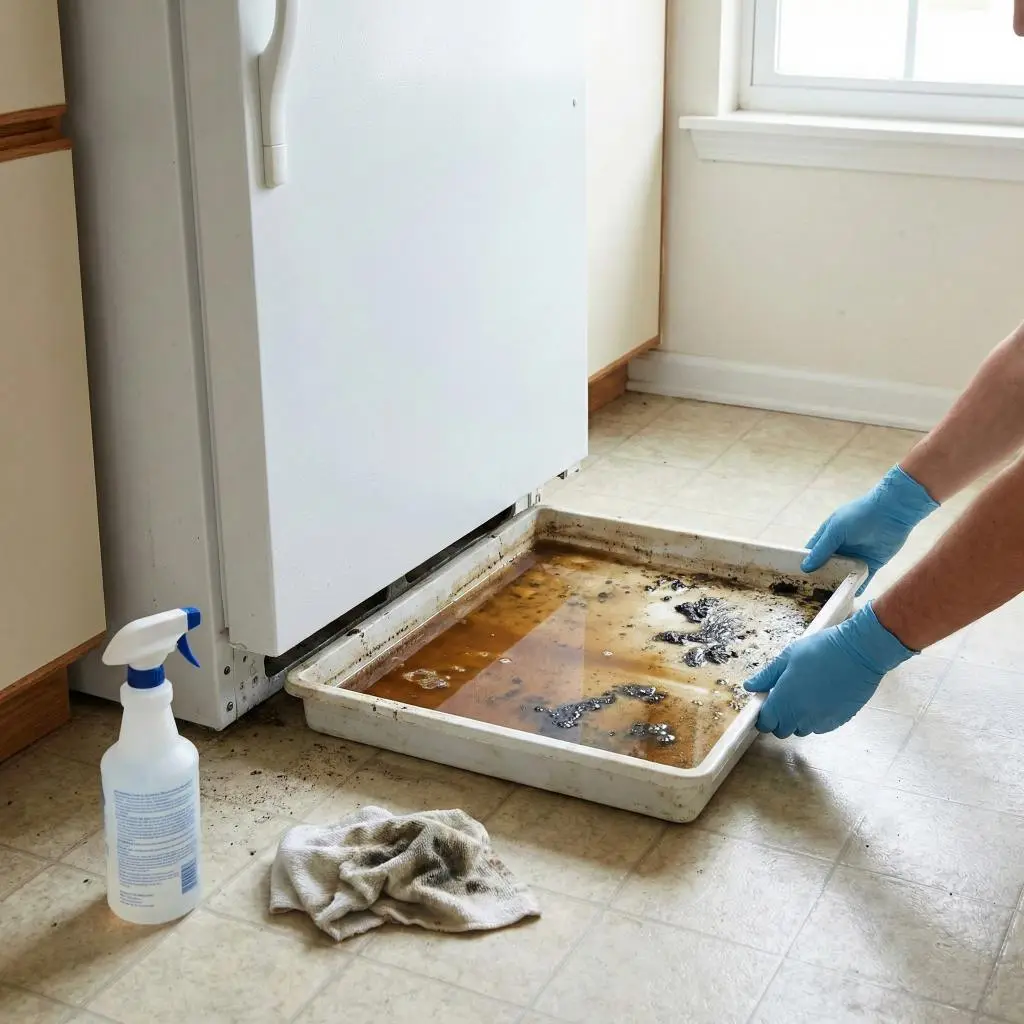
A dirty drip pan
An old water filter or smelly ice maker
These are the 6 common causes + easy fixes that explain why your refrigerator develops unpleasant odors.
If your fridge smells bad, don’t panic. Let’s fix it properly.
Why Your Fridge Smells Bad (6 Common Causes + Easy Fixes)
Below are the biggest reasons your fridge smells bad, along with simple, powerful fixes you can do today.
1. Spoiled or Forgotten Food
The most common reason a fridge smells bad is spoiled food hiding somewhere inside.
Even if you clean regularly, food can easily get pushed to the back, forgotten behind newer groceries, or left too long in containers.
Foods that create the strongest odors include:
Old fish or seafood
Expired milk and dairy
Rotting produce
Leftovers sitting longer than 4 days
Meat packages leaking juices
Sometimes the smell doesn’t come from obvious rotten food. It comes from tiny leaks, forgotten sauces, or moldy fruit in the drawer.
Easy Fix
Remove everything shelf by shelf
Toss expired or questionable items
Clean sticky containers
Check the crisper drawers carefully
Pro tip: If your fridge smells bad, look for food wrapped in foil or hidden in the back. Those are often the worst offenders.
2. Hidden Spills Under Drawers and Shelves
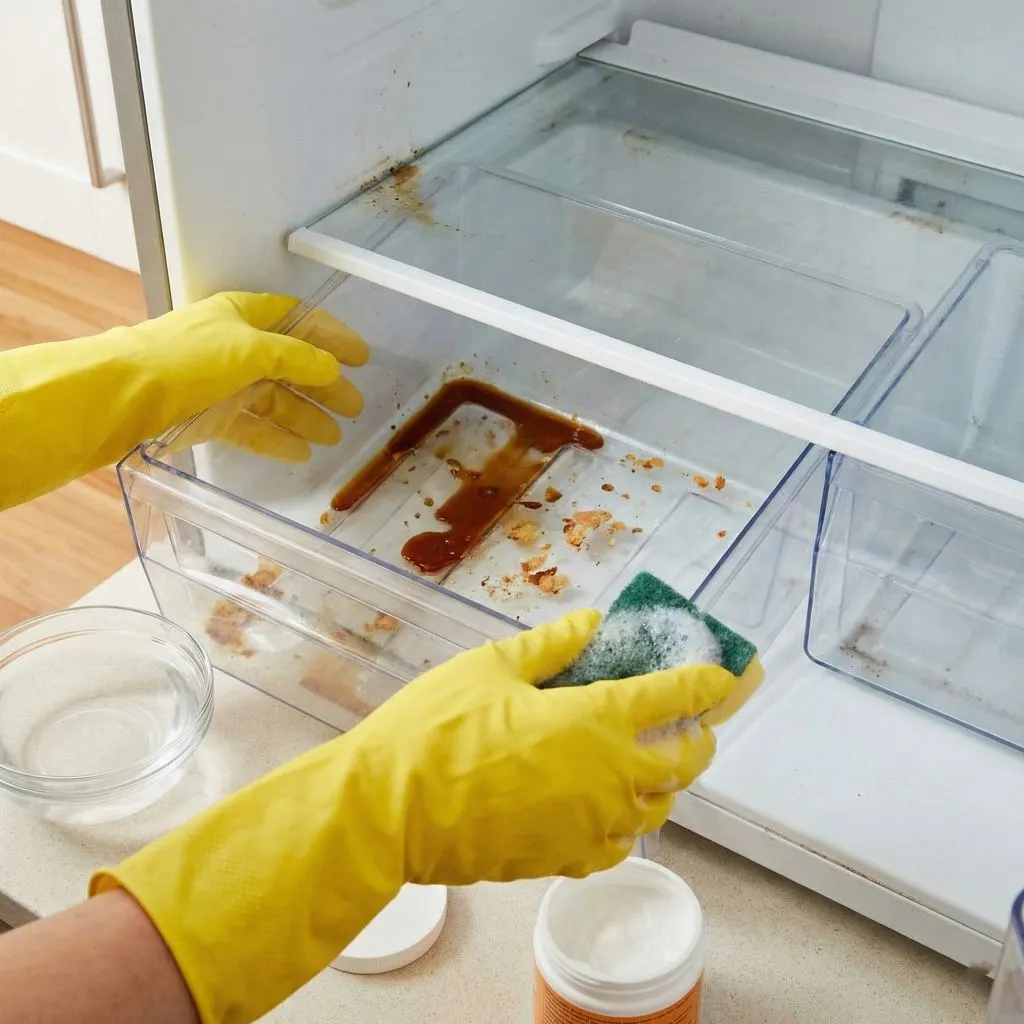
Sometimes your fridge smells bad even when nothing seems spoiled. That’s because spills often seep into cracks, corners, and underneath drawers.
Milk, soup, sauce, or meat juices can drip down and sit unnoticed for weeks.
Signs of hidden spills:
Sticky drawers
Sour smell with no clear source
Odor returning quickly after wiping shelves
Easy Fix
Remove all drawers and shelves
Inspect underneath and along edges
Clean with warm water and dish soap
Use baking soda paste for stubborn residue
Dry completely before replacing
A deep clean in hidden areas is one of the fastest ways to solve a fridge smells bad issue.
3. Mold and Mildew Growth
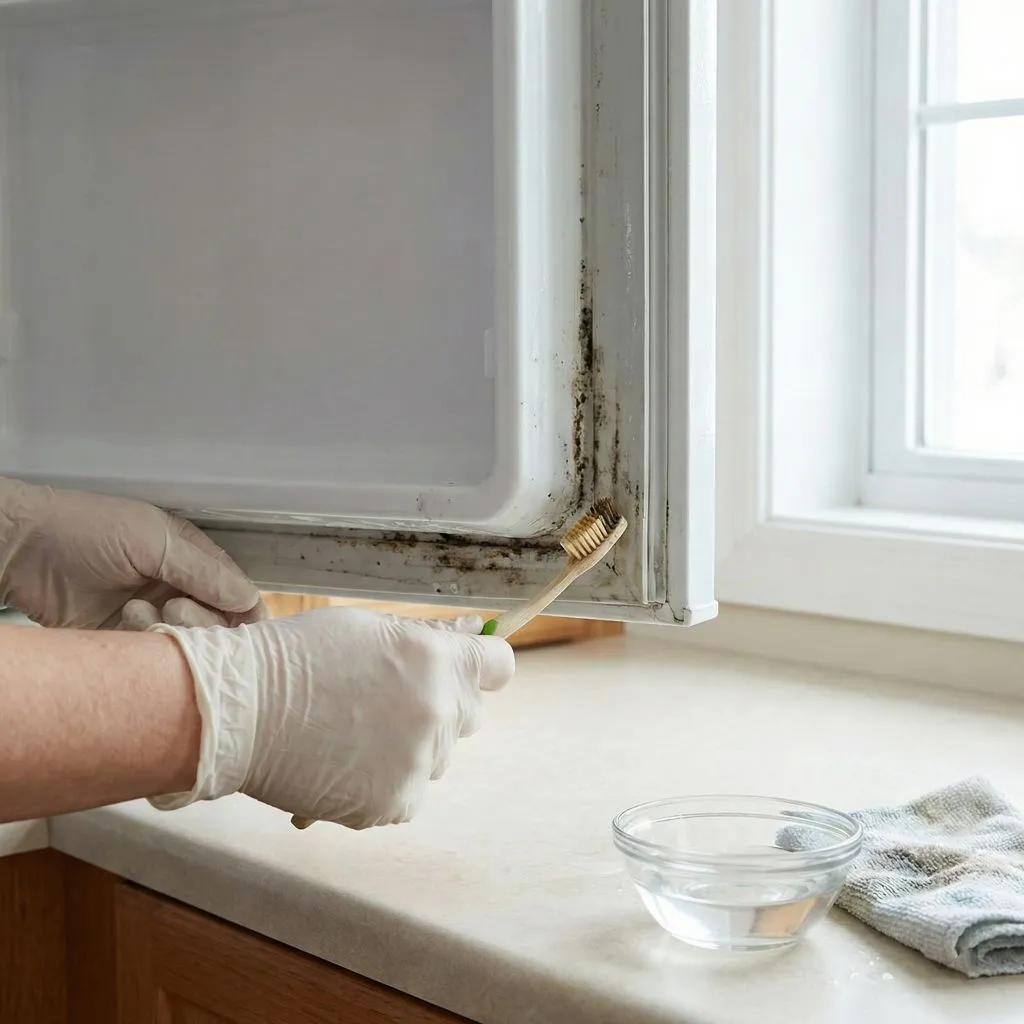
If your fridge smells bad and the odor is damp, musty, or earthy, mold is often the cause.
Mold thrives in cold environments with moisture and poor airflow.
Mold hotspots include:
Rubber door seals
Crisper drawers
Corners with condensation
Refrigerator vents
Drain hole area
Even small mold patches can create strong smells that spread throughout the fridge.
Easy Fix
Mix equal parts vinegar and water
Scrub seals and corners with a toothbrush
Remove drawers and wash thoroughly
Leave the fridge door open for 15 minutes after cleaning
Keeping moisture low is essential because mold is one of the biggest reasons a fridge smells bad repeatedly.
4. A Clogged Refrigerator Drain Hole
Most people don’t realize refrigerators have a drain hole that carries condensation away.
When it clogs, stagnant water builds up, bacteria grows, and your fridge smells bad quickly.
A clogged drain can cause:
Sour odors
Standing water under drawers
Mold buildup
Smell even after cleaning food out
Easy Fix
Locate the drain hole (back wall inside fridge)
Flush it with warm water
Use a pipe cleaner or turkey baster to remove debris
This is one of the most overlooked answers to Why Your Fridge Smells Bad (6 Common Causes + Easy Fixes).
5. Dirty Drip Pan Under the Fridge
Here’s the hidden culprit most blogs forget: the drip pan.
The drip pan collects condensation water underneath the refrigerator. Over time, it becomes a breeding ground for bacteria, mold, and rotten smells.
If your fridge smells bad like sewage or rotten eggs, the drip pan is often the cause.
Easy Fix
Unplug the refrigerator
Pull it out carefully
Locate the drip pan underneath
Remove, wash, and disinfect it
Let it dry fully before reinserting
Cleaning the drip pan is one of the most powerful fixes when a fridge smells bad even after cleaning inside.
6. Old Water Filter or Smelly Ice Maker
If your refrigerator has a water dispenser or ice maker, odors may come from inside the filtration system.
Old filters allow:
Bacteria buildup
Stale tasting water
Ice cubes that absorb bad smells
Easy Fix
Replace the water filter every 6 months
Dump old ice cubes
Wash the ice bin with soap and warm water
A dirty filter is a surprisingly common reason a fridge smells bad even when food is fresh.
How to Get Rid of Bad Smells in Your Fridge (Step-by-Step Deep Cleaning Guide)
Now that you know the causes, here’s the best method to eliminate odors fast.
Step 1: Empty the Fridge Completely
If your fridge smells bad, start by removing everything.
Toss expired food
Place perishables in a cooler
Remove drawers and shelves
You cannot clean properly with food still inside.
Step 2: Wash Shelves and Drawers
Clean removable parts separately with:
Warm water
Dish soap
Baking soda for extra deodorizing
Let them air dry completely.
Step 3: Deep Clean the Interior
Use this powerful natural cleaning solution:
2 cups warm water
1 cup white vinegar
1 tablespoon baking soda
Wipe every surface, including corners and vents.
This step alone solves many fridge smells bad complaints.
Step 4: Clean the Door Seal
Door seals trap moisture, crumbs, and mold.
Scrub with a toothbrush and vinegar solution.
A dirty seal is one of the top reasons your fridge smells bad repeatedly.
Step 5: Deodorize Naturally
After cleaning, keep your fridge smelling fresh by using natural odor absorbers:
Baking soda absorbs everyday smells
Activated charcoal removes strong rotten odors
Coffee grounds neutralize lingering food smells
Lemon slices add a light citrus freshness
Using these methods prevents the problem from returning when your fridge smells bad.
Fridge Smells Bad Even After Cleaning? Advanced Fixes
If your fridge smells bad even after deep cleaning, try these deeper solutions.
Replace the Water Filter
Old filters trap bacteria and odors.
Clean Condenser Coils
Dusty coils reduce efficiency and can contribute to smells.
Vacuum coils every 6 months.
Inspect Behind Panels for Mold
Hidden mold can grow behind fridge walls or vents.
Call a Technician If Needed
Burning or fishy smells may indicate electrical problems.
Bad Smell Diagnosis by Odor Type
Sometimes the smell itself gives you clues.
Rotten Egg Smell
Often caused by:
Dirty drip pan
Spoiled meat juices
Rare gas leak nearby
Fishy Smell
Possible causes:
Spoiled seafood
Overheating electrical part
Sour Milk Smell
Usually from:
Dairy spills under drawers
Forgotten yogurt containers
Musty Smell
Typically caused by:
Mold in seals
Clogged drain line
Understanding odor type helps fix a fridge smells bad issue faster.
How to Prevent Your Fridge From Smelling Bad Again
Prevention is much easier than constant deep cleaning.
Weekly Habits
Toss expired food
Wipe spills immediately
Store leftovers in airtight containers
Monthly Habits
Wash drawers
Replace baking soda box
Check for hidden spills
Every 6 Months
Replace water filter
Clean condenser coils
Inspect drip pan
With these habits, you’ll avoid the dreaded moment when your fridge smells bad unexpectedly.
Frequently Asked Questions (FAQ)
Why does my fridge smell bad even with no spoiled food?
Hidden mold, dirty drip pans, or clogged drain holes are common causes.
What absorbs bad smells in the fridge fastest?
Activated charcoal works faster than baking soda for strong odors.
How long does baking soda take to remove fridge odors?
Usually 24 to 48 hours for mild smells.
Why does my fridge smell bad when it’s empty?
Odors often remain trapped in seals, drain lines, or plastic surfaces.
Can fridge smells be dangerous?
If the smell is burning or chemical-like, it may indicate an electrical issue and requires professional help.
How often should I deep clean my fridge?
Once a month is ideal to prevent odors.
Conclusion: Fresh Fridge, Fresh Kitchen
When your fridge smells bad, it’s almost always due to one of the 6 common causes + easy fixes we covered: spoiled food, hidden spills, mold, clogged drains, dirty drip pans, or old filters.
The key is identifying the source quickly and doing a thorough deep clean, not just wiping shelves.
With the right steps, your refrigerator can smell fresh again in under an hour.
So the next time your fridge smells bad, don’t panic. Follow this guide, tackle the hidden causes, and enjoy a clean, odor-free kitchen.